Blog English
The Brain-Body Connection: A Three-Level Framework for Empowering Neurodiverse Kids
Understanding how the brain, body, and emotions work together to unlock a child’s potential.
Parents and caregivers often hear about the “mind-body connection,” but what does it really mean when supporting a neurodiverse child? At Viva The Brain, we see the brain, body, and emotions form an inseparable system, when one grows stronger, the others follow.
1. The Brain: The Command Center
The brain acts as the central hub for communication, memory, and attention. For children with neurological challenges, progress often begins here. Speech therapy, cognitive exercises, and attention-building strategies help the brain process information more effectively.
2. The Body: Movement as Learning
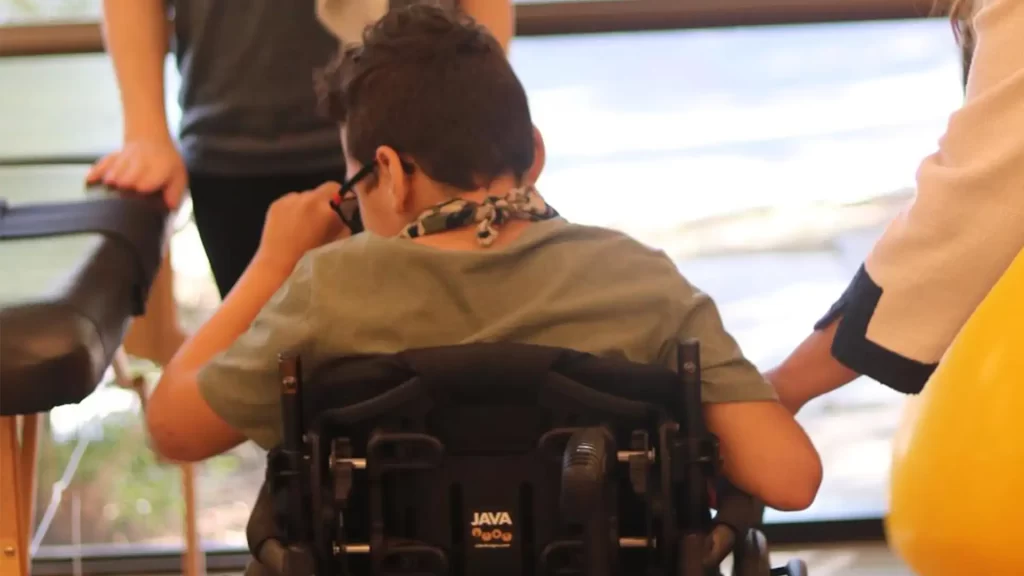
The body doesn’t just follow the brain, it teaches it. Movement-based therapies, like occupational and physical therapy, build strength, balance, and coordination. A stable posture, for example, can improve breathing, focus, and even emotional regulation. Each time a child learns a new motor skill, the brain rewires itself, opening the door to further development.
3. Emotions: The Soul of Development
No therapy is complete without addressing emotions. Feelings shape a child’s ability to learn, connect, and express themselves. Music, art, and mindfulness therapies give children safe outlets for emotions that may be difficult to express in words.
4. Bringing the Three Levels Together
The real transformation happens when brain, body, and emotions work in harmony. This integrative therapy framework doesn’t isolate problems, it builds bridges. For example, a child practicing balance exercises (body) may also improve focus (brain) and gain confidence (emotions). Families often describe these breakthroughs as life-changing, because progress is felt across every part of daily life.
Key Takeaways
- The brain, body, and emotions are deeply interconnected.
- Physical movement supports learning and brain growth.
- Emotional security accelerates developmental progress.
- An integrative therapy framework creates lasting, meaningful change.
Learn more about how families can benefit from our integrative therapy framework at Viva The Brain and share this article with someone who could find encouragement today. Together, we can transform lives.
Español
La conexión cerebro-cuerpo: un marco de tres niveles para empoderar a niños neurodiversos
Entendiendo cómo el cerebro, el cuerpo y las emociones trabajan juntos para liberar el potencial de un niño.
Madres y cuidadores suelen escuchar sobre la “conexión mente-cuerpo”, pero ¿qué significa realmente al apoyar a un niño neurodiverso? En Viva The Brain entendemos que el cerebro, el cuerpo y las emociones forman un sistema inseparable: cuando uno se fortalece, los demás también.
1. Cerebro: el centro de mando
El cerebro actúa como el centro de comunicación, memoria y atención. En niños con desafíos neurológicos, el progreso muchas veces comienza aquí. La terapia de lenguaje, los ejercicios cognitivos y las estrategias para fortalecer la atención ayudan al cerebro a procesar la información de manera más efectiva.
2. Cuerpo: el movimiento como aprendizaje
El cuerpo no solo sigue al cerebro, también lo enseña. Las terapias basadas en el movimiento, como la terapia ocupacional y la terapia física, desarrollan fuerza, equilibrio y coordinación. Una postura estable, por ejemplo, puede mejorar la respiración, la concentración e incluso la regulación emocional. Cada vez que un niño aprende una nueva habilidad motriz, el cerebro se reorganiza, abriendo la puerta a más desarrollo.
3. Emociones: el alma del desarrollo
Ninguna terapia está completa sin atender las emociones. Los sentimientos moldean la capacidad de un niño para aprender, conectarse y expresarse. Las terapias de música, arte y mindfulness ofrecen espacios seguros para emociones que a veces son difíciles de expresar con palabras.
4. Uniendo los tres niveles
La verdadera transformación ocurre cuando el cerebro, el cuerpo y las emociones trabajan en armonía. Este marco de terapia integrativa no aísla problemas, construye puentes. Por ejemplo, un niño que practica ejercicios de equilibrio (cuerpo) también mejora su concentración (cerebro) y gana confianza (emociones). Las familias suelen describir estos avances como un cambio de vida, porque el progreso se siente en todas las áreas de la vida cotidiana.
Puntos clave
- El cerebro, el cuerpo y las emociones están profundamente interconectados.
- El movimiento físico impulsa el aprendizaje y el crecimiento cerebral.
- La seguridad emocional acelera el progreso del desarrollo.
- Un marco de terapia integrativa genera cambios significativos y duraderos.
Conoce más sobre cómo las familias pueden beneficiarse del marco de terapia integrativa de Viva The Brain y comparte este artículo con alguien que pueda encontrar ánimo hoy. Juntos podemos transformar vidas.